
ARJUN SHAH / CONSERVATION / THE STORY
Building Animal Activists Kenya
Connecting community, conservation and the economic choices that shape life alongside wildlife.
By Arjun Shah Co-founder July 2020 – present
- raised for conservation
- KSh 4M
- conservation initiatives
- 24
- Garba Night attendees
- 1,100
I co-founded Animal Activists Kenya with my siblings in 2020. Our work brings people together to support conservation across Kenya, through fundraising, community events and projects that connect people with the natural world.
People and wildlife, together
Growing up in Kenya, wildlife has been part of the world around me. Conservation has also become a way of thinking about people: their livelihoods, the opportunities available to them and the costs they carry when they live alongside wild animals.
My Jain belief in ahimsa, extending compassion to every living being, shapes how I approach this work. Anekantvaad, the idea that reality can be understood from multiple perspectives, also matters to me. A conservation decision looks different depending on whether you are a ranger, a farmer, a student or someone trying to support a family. I want to understand those perspectives together.
Turning a shared evening into lasting support
Through Animal Activists Kenya, I have co-led 24 conservation initiatives, including Garba Night, Everest for the Environment, Peaks with Purpose and Reel Rock Film Festival. Together, our work has raised KSh 4 million for conservation projects across Kenya.
One of those events was a Raas Garba cultural dance night. We brought 1,100 people together and generated over KSh 1.3 million in net proceeds to fund the planting and nurturing of 13,000 trees. It joined something our community already loved, music and dance, with a cause we wanted more people to take part in.
My responsibilities have included fundraising, communications, social media, web design, accounting and event organisation. These are the practical pieces behind the public event: helping people understand the purpose, bringing contributions together and keeping track of where the money goes.
Where that support goes
Across our initiatives, proceeds have supported the planting of 20,000 mangrove seedlings and provided technical equipment and food hampers for 50 rangers. These are collective outcomes, made possible by the people who contribute, organise and carry out the work on the ground.
The partnerships have also drawn me towards economics. With the Grevy’s Zebra Trust, I have been interested in collaborative planned grazing. At Pate Marine Community Conservancy, women-led mangrove restoration has shown me another connection between conservation and community opportunity.
I keep coming back to the incentives involved. What makes protecting a habitat a workable choice for the people who live there? How can conservation support a livelihood? These questions are part of why I want to study economics.
Peaks with Purpose
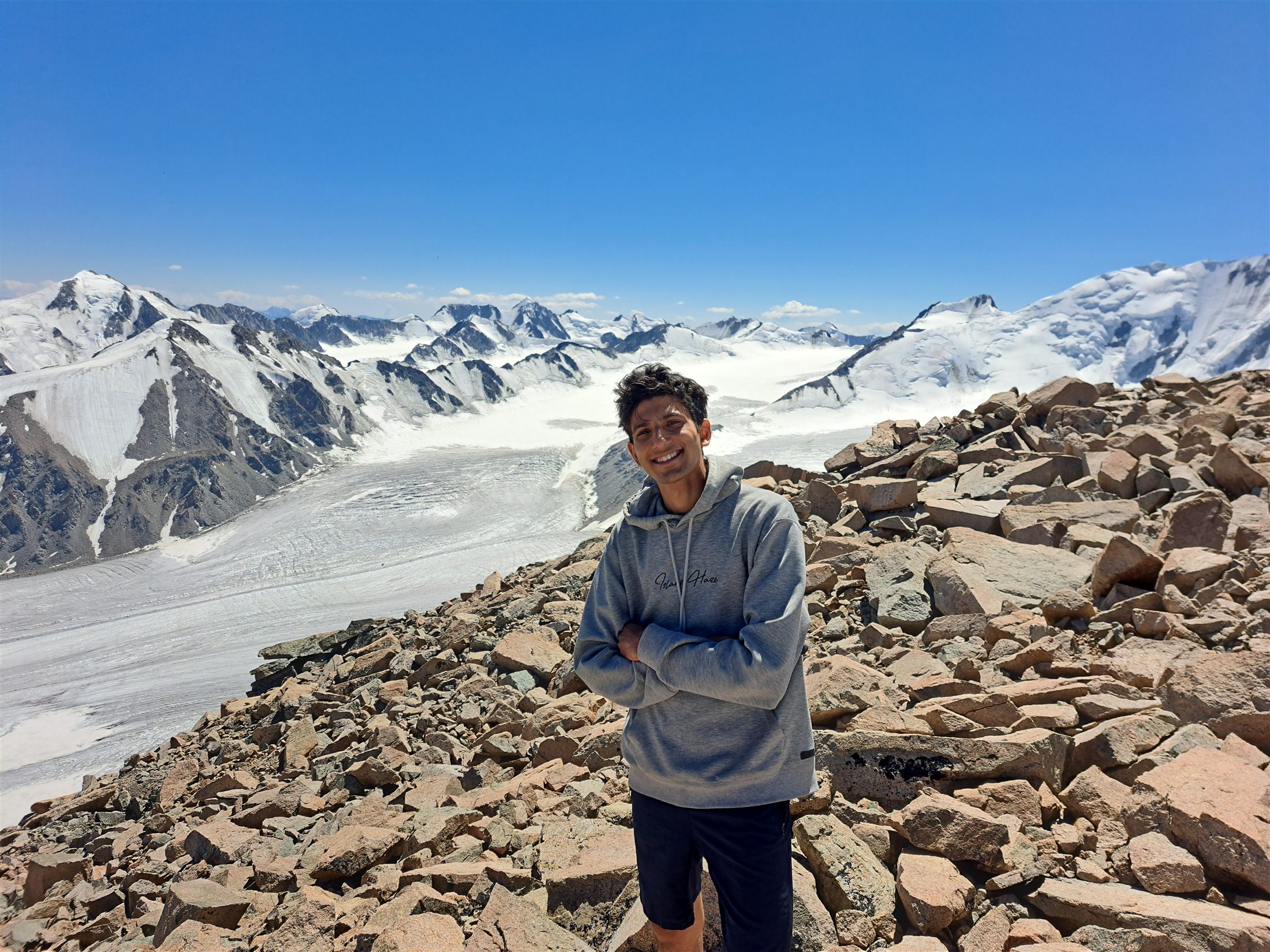
Mountains are another important part of my life. Through Peaks with Purpose, we took five local girls and three teachers to the summit of Mount Kenya. It connected my love of climbing with the community work we were doing through Animal Activists Kenya.
For me, time outdoors is a reminder of why this work matters. Fundraising and organisation can take place at a desk or in a meeting. Being on the mountain brings the natural world back into view.
What I want to keep building
Animal Activists Kenya has taught me that an idea needs people, organisation and sustained effort to become useful. A cultural event can fund trees. A climbing expedition can bring students into the mountains. A conversation with a conservation partner can open a new question about economics.
I want to keep building those connections: between people and wildlife, between community and opportunity, and between the values I care about and the practical work needed to act on them.